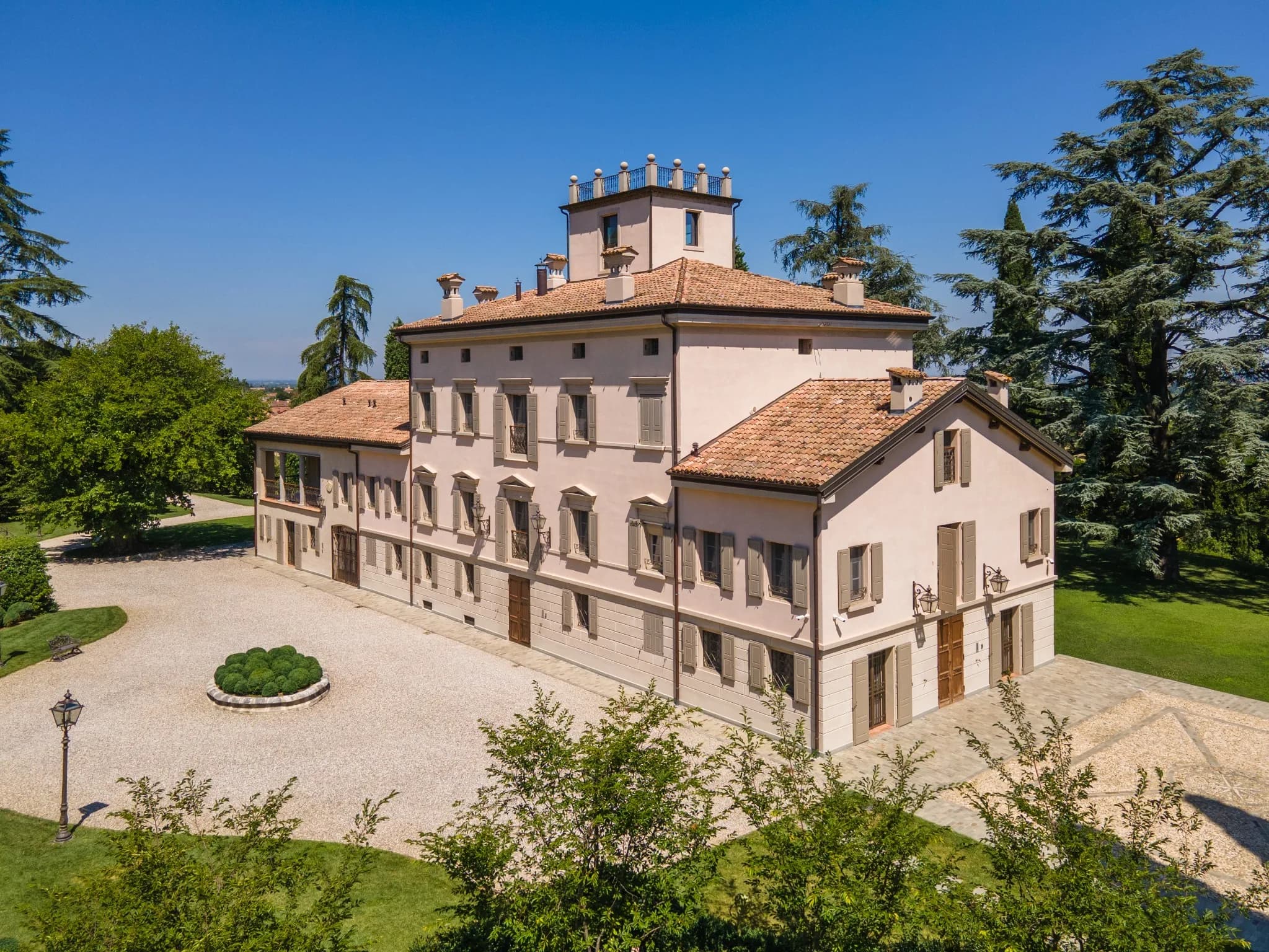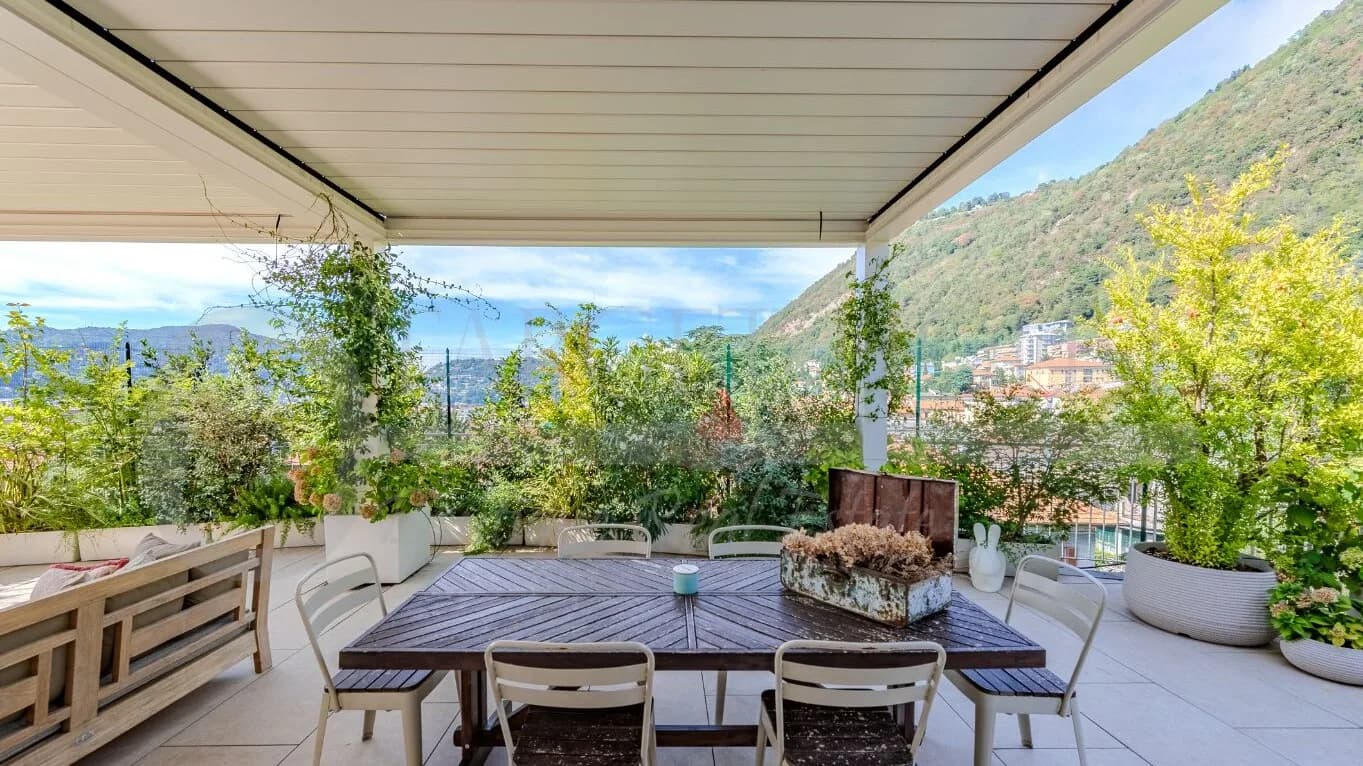
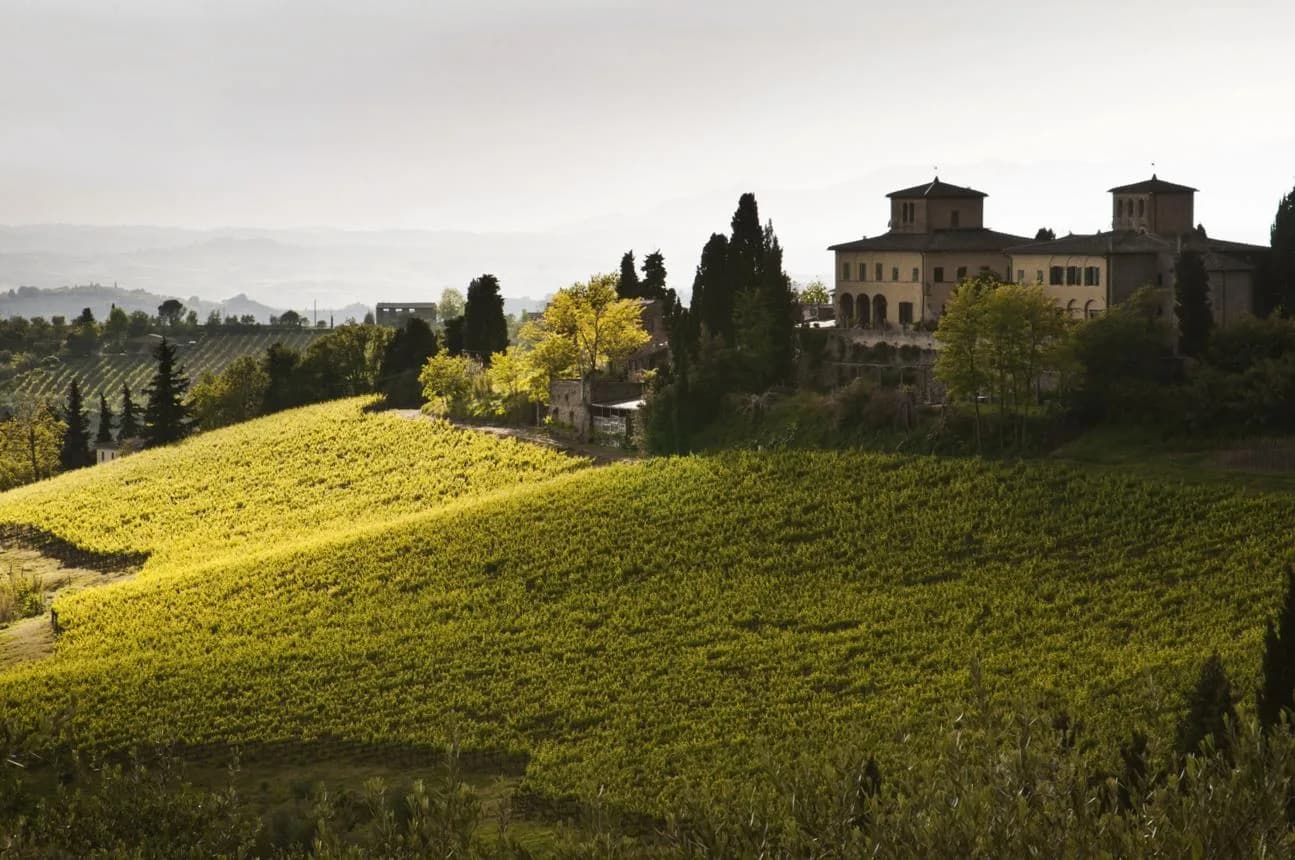

Tuscany remains the world's most coveted address for luxury villa buyers. This complete guide covers everything international buyers need to know in 2026 — from the best locations to the legal process, taxes, and what to expect at every stage.
Why Tuscany Remains the World's Most Sought-After Luxury Property Market
There are places in the world that transcend trend. Tuscany is one of them. Decade after decade, market cycle after market cycle, the demand for luxury villas for sale in Tuscany remains one of the most consistent forces in global real estate. The combination of landscape, culture, cuisine, climate, and the sheer irreproducibility of the properties themselves creates a market that operates by its own rules — largely immune to the corrections that periodically affect other luxury markets.
In 2026, that demand has intensified. The post-pandemic reassessment of quality of life, combined with Italy's Flat Tax regime for new residents (a €300,000 annual substitute tax on all foreign-sourced income) and the favorable currency dynamics for US and UK buyers, has created a confluence of factors that market observers are calling generational.
The Best Locations for a Luxury Villa in Tuscany
Tuscany is a large and varied region. Understanding the micro-markets within it is essential to making the right purchase. Here are the areas that consistently attract international luxury buyers.
Chianti Classico
The rolling hills between Florence and Siena — the Chianti Classico zone — represent the quintessential Tuscan landscape: vineyards, cypresses, stone farmhouses, and hilltop villages. Properties here range from restored poderi (farmhouses) to grand estates with private wineries. This is the area most associated with the classic Tuscan villa purchase, and it commands a premium that reflects its iconic status.
Val d'Orcia
Declared a UNESCO World Heritage Site, the Val d'Orcia is one of the most photographed landscapes in the world. Properties here are rarer and more tightly held than in Chianti — when they come to market, they sell quickly and at significant prices. Buyers seeking true exclusivity and world-class visual drama look here.
Versilia & The Lucca Hills
The Versilian coast and the hills above Lucca offer a different proposition: proximity to the sea, easy access to Pisa and Florence airports, and a strong tradition of luxury villas that has drawn Italian aristocracy and international celebrities for generations. Properties in this area offer the combination of Tuscan landscape with coastal lifestyle that no other area in Italy can match.
The Florentine Hills
For buyers who want the culture of Florence within minutes, the hillside towns of Fiesole, Settignano, and Impruneta offer historic villas with city access and extraordinary views over the Arno valley. The Renaissance connection is visceral here — many of these properties were built by the same families who commissioned Botticelli and Brunelleschi.
What Does a Luxury Villa in Tuscany Cost in 2026?
Pricing is highly varied and depends on location, size, land, restoration quality, and the presence of income-generating assets (agriturismo licences, vineyards, olive groves). As a broad reference:
Restored farmhouse (1,000–2,000 sqm, 5–10 hectares): €1.5M–€4M
Grand estate with vineyard or winery: €5M–€15M+
Historic villa with park, Chianti or Val d'Orcia: €8M–€30M+
Off-market, top-tier, UNESCO-adjacent: price on application
Values have appreciated consistently at 5–8% annually in the prime areas over the past five years, with premium properties seeing significantly higher growth as supply of genuinely special assets remains structurally constrained.
The Legal Process for International Buyers
Purchasing a luxury villa in Tuscany as a foreign national is entirely permitted and relatively straightforward — provided you work with the right team. Here is what the process involves.
The Codice Fiscale
Every buyer needs an Italian tax identification number (codice fiscale). This is obtained from the Italian consulate in your country or from the Agenzia delle Entrate in Italy and takes approximately 15 minutes. Without it, no contract can be signed.
The Compromesso (Preliminary Contract)
Once a property is agreed, buyer and seller sign a preliminary contract (compromesso or contratto preliminare di compravendita) and the buyer pays a deposit — typically 10–30% of the agreed price. At this stage, the deposit is binding: if the buyer withdraws, they lose the deposit; if the seller withdraws, they must return double.
Due Diligence
Italian property due diligence covers title searches (visure ipotecarie e catastali), planning compliance (conformità urbanistica e catastale), environmental searches, and — for rural properties — agricultural land regulations. A specialist Italian property lawyer is essential here. Do not use the same notaio recommended by the selling agent.
The Rogito (Final Deed)
The final deed of sale is signed before an Italian notaio (notary) in the presence of both parties (or their power-of-attorney representatives). The remaining balance is paid, and ownership transfers immediately. The notaio registers the transaction with the land registry within 30 days.
Taxes on a Tuscany Luxury Villa Purchase
Understanding the tax position before committing is critical. The main taxes applicable to a standard purchase of a non-primary residence by a non-Italian resident are:
Registration tax: 9% of the cadastral value (not the sale price — significantly lower)
Mortgage tax: €50 fixed
Land registry tax: €50 fixed
Notaio fees: approximately 1–2% of the purchase price
Agent fees: typically 3–4% + VAT, split between buyer and seller
Italy's Flat Tax regime for new residents is particularly relevant for high-net-worth buyers who intend to make Italy their primary residence. Under this regime, all income earned outside Italy is subject to a flat €100,000 annual tax, regardless of amount — making Italy one of the most tax-efficient residency destinations in the world for wealthy individuals.
Working With a Specialist Advisor
The Tuscan property market operates significantly on relationships and off-market access. The finest luxury villas for sale in Tuscany rarely appear on public portals — they are transacted quietly, between trusted networks, before any public listing is considered.
At Life Changing Homes, our network of Italian partner agencies, notai, and private contacts gives clients access to opportunities that are simply not available through conventional channels. If you are seriously considering a purchase in Tuscany, the starting point is a private conversation — not a property search.